

Building the Challenge From 0 to 1
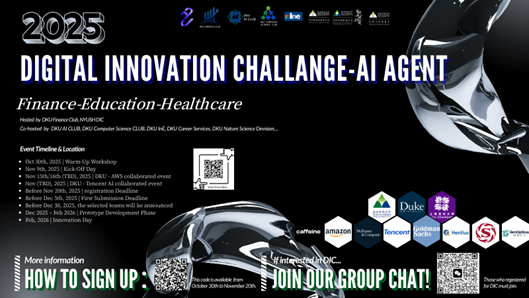
The first Digital Innovation Challenge (DIC) ran from October 2025 to March 2026, bringing together students, faculty members, industry experts, and partner organizations to explore how AI agents can address practical challenges in finance, education, and healthcare.
Hosted by the DKU Finance Club and Amazon Web Services (AWS), the challenge was co-organized by the DKU AI Club, DKU Computer Science Club, DKU Career Services, and DKU Career Services Student Ambassadors. It also received support from the Center for the Study of Contemporary China (CSCC), the Innovation and Entrepreneurship Initiative (InE), the Office of Career Services, and the Office of Academic Services.
Rather than operating as a single competition day, DIC was designed as a long-term development journey. Participants moved through technical workshops, interdisciplinary team formation, industry visits, mentorship, project development, and final presentations.
Warm-Up Workshop: Learning to Build AI Agents
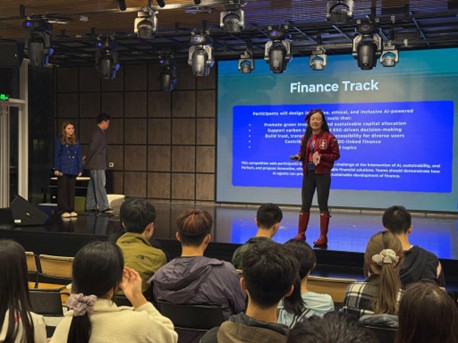
The journey began on October 30, 2025, with an AI agent development workshop led by AWS experts. The session introduced participants to the architecture and development process behind AI agents, helping students establish the technical foundation needed for the competition.
The warm-up stage also emphasized that strong innovation requires more than technical implementation. Students were encouraged to connect technology with user needs, domain knowledge, and real-world constraints from the beginning.
Kickoff: Connecting Finance, Education, and Healthcare
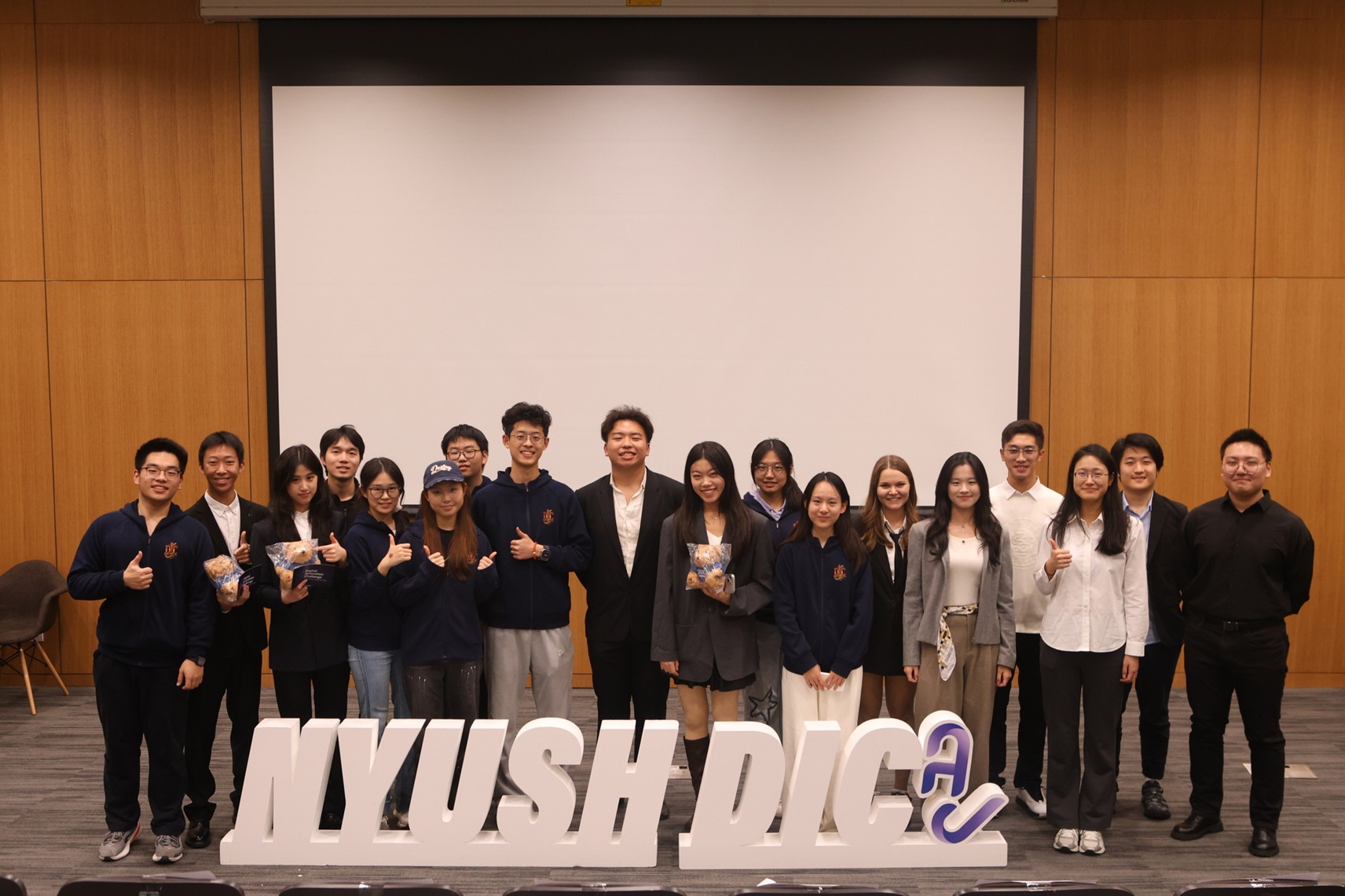
The official kickoff took place on November 15, 2025 at Duke Kunshan University. Students from different academic backgrounds formed teams and began developing projects across three tracks: finance, education, and healthcare.
Guest speakers and industry mentors introduced practical use cases for AI agents and shared perspectives from technology development, finance, entrepreneurship, and healthcare. This interdisciplinary environment allowed students to move beyond isolated technical exercises and begin thinking about deployable products with measurable value.
Industry Practice at AWS Shanghai
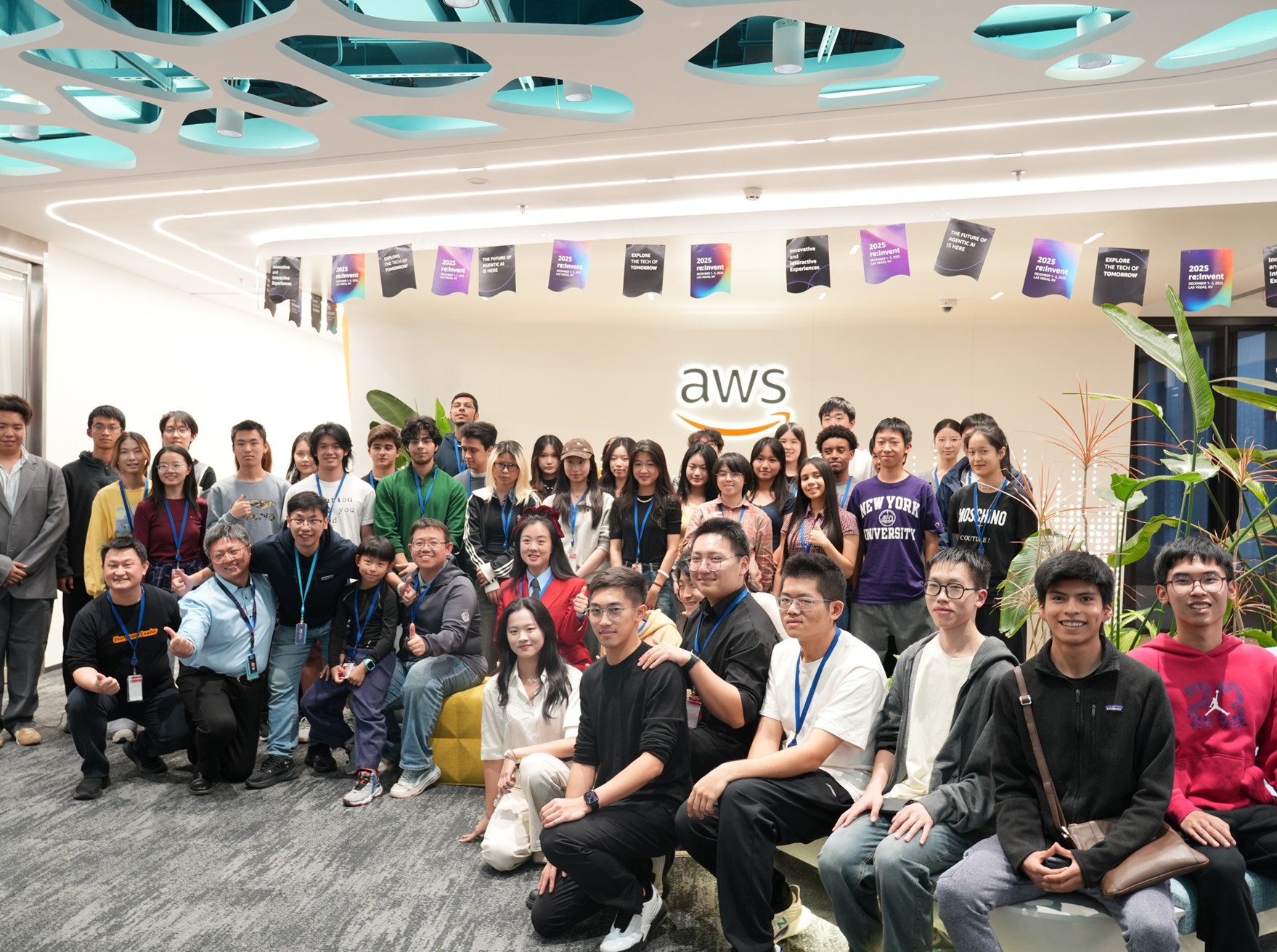
On March 12, 2026, participants visited the AWS Shanghai office for an industry learning experience. The visit gave students an opportunity to understand how cloud infrastructure and AI technologies are applied in professional environments.
Teams also received feedback on their projects and learned more about turning early prototypes into reliable, scalable solutions. The industry visit connected classroom knowledge with engineering practice and helped participants refine both their technical decisions and product direction.
Final Presentations and Awards
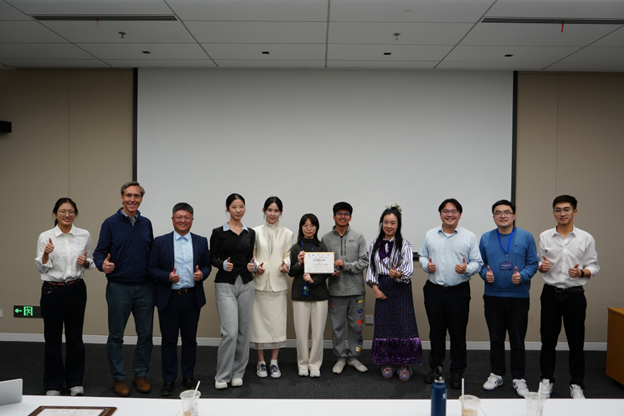
The final presentation and award ceremony took place at NYU Shanghai on March 28, 2026. Finalist teams presented their work to judges and industry representatives, demonstrating the results of several months of collaboration and iteration.
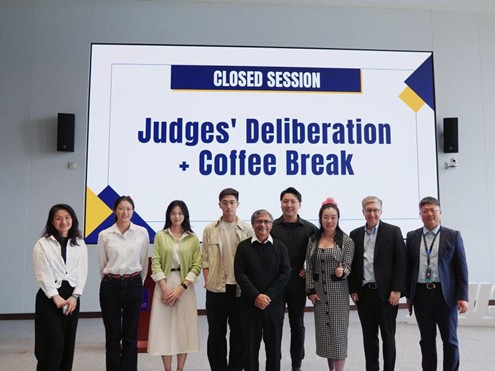
The event recognized teams across the finance, education, and healthcare tracks. Projects were evaluated not only for their use of AI, but also for their understanding of real problems, implementation quality, interdisciplinary collaboration, and potential for continued development.
A Student-Led Collaboration
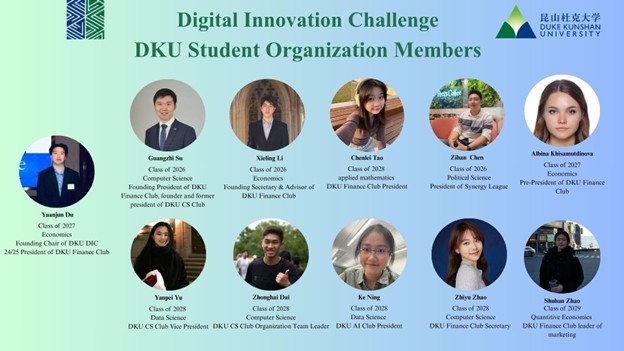
DIC was made possible by student organizers from the DKU Finance Club, DKU Computer Science Club, and DKU AI Club, working alongside university departments and external partners. The organizing team coordinated workshops, communications, technical support, mentorship, industry engagement, and the final event.
For the DKU Computer Science Club, DIC demonstrated the value of sustained project-based learning. By giving students time to learn, find collaborators, receive expert feedback, and improve their work, the challenge created a stronger pathway from initial curiosity to a complete product.
The first Digital Innovation Challenge established a foundation for future collaboration between student organizations, academic initiatives, and industry partners. More importantly, it showed how interdisciplinary teams can use emerging technologies to build solutions grounded in real needs and real-world practice.